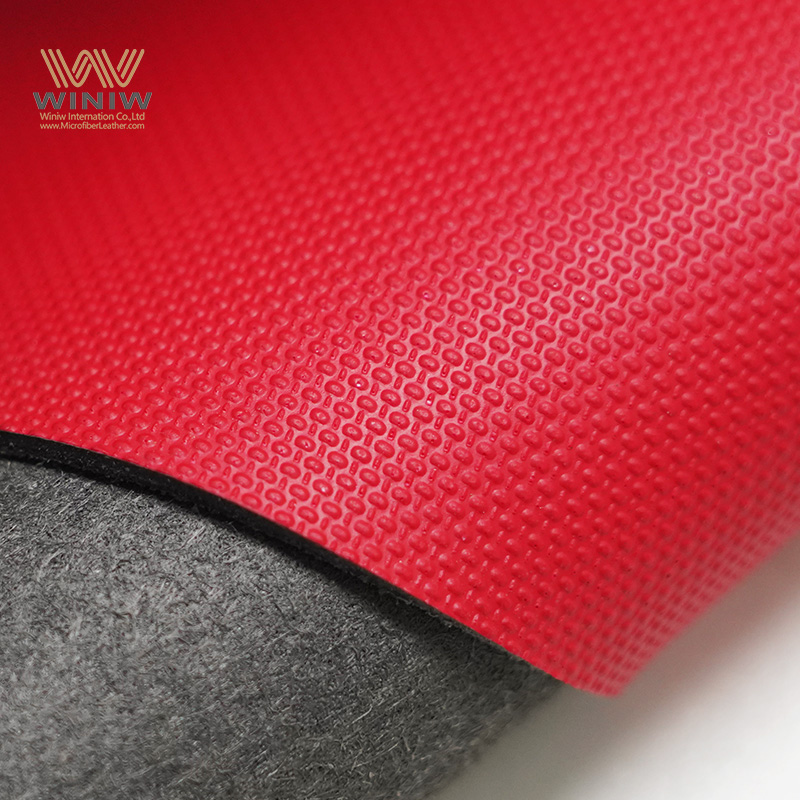
شرح مادة سافيانو PU: ما الذي يجعلها مميزة؟
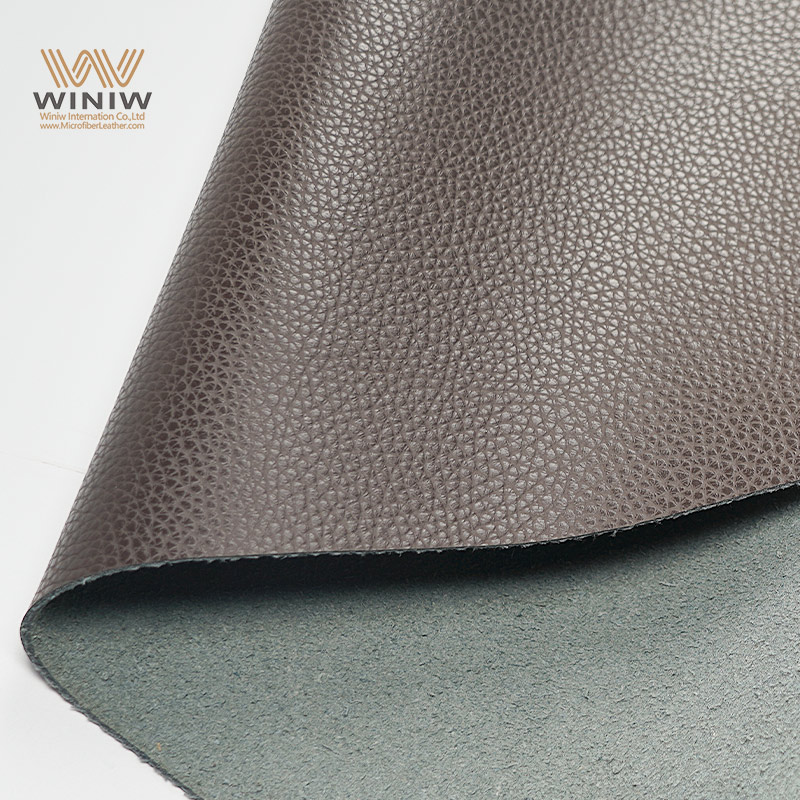
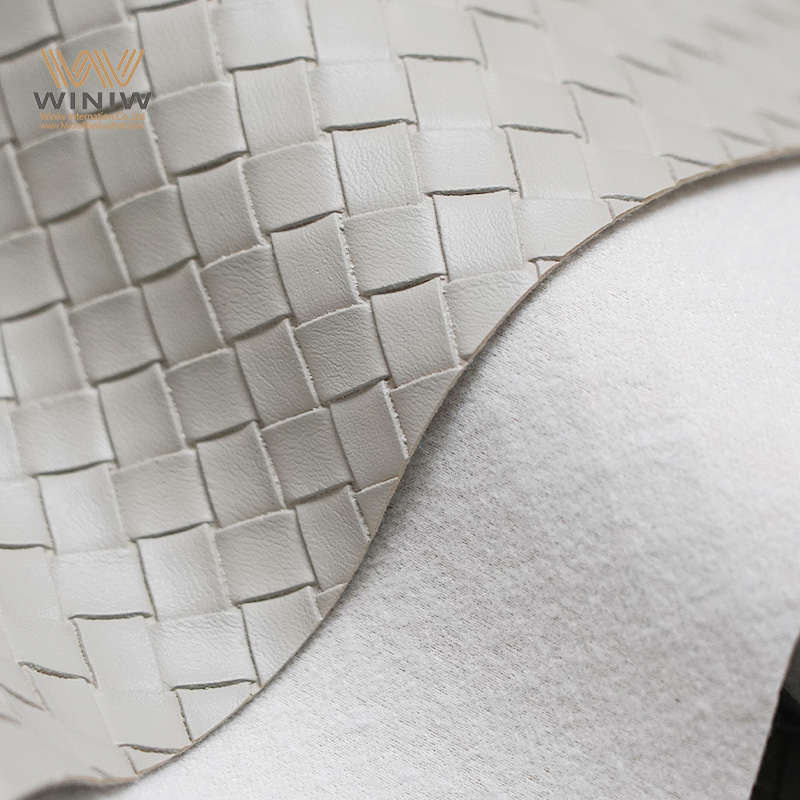
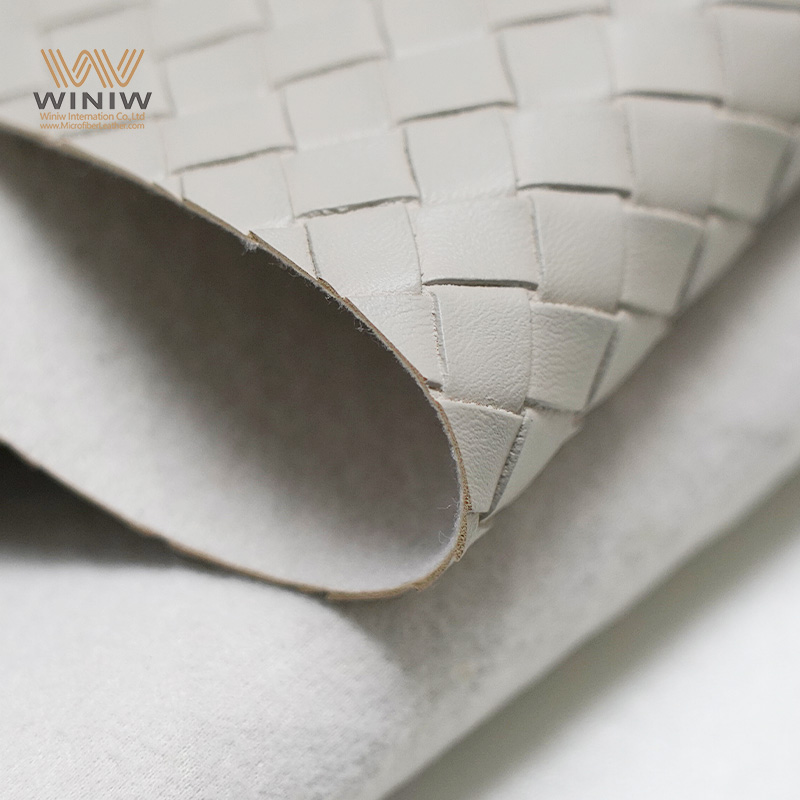
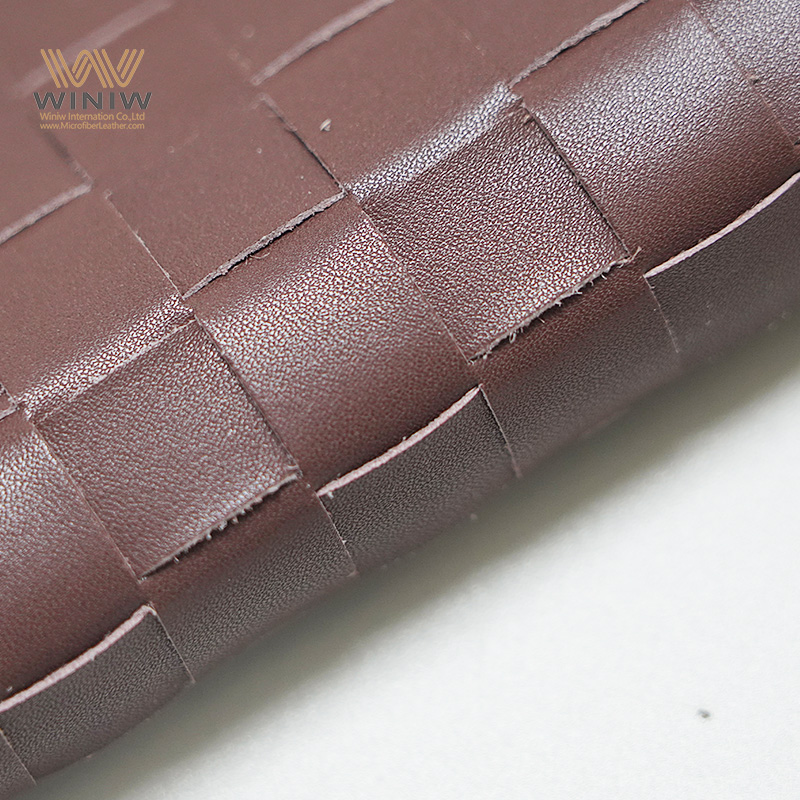
سافيانو جلد صناعي يتميز هذا المنتج بنمط متقاطع فريد وسطح صناعي. تبرز هذه المادة بمتانتها الفائقة، ومقاومتها العالية للماء، وخفة وزنها. يضفي نسيج سافيانو مظهرًا أنيقًا على المنتجات، بينما تحافظ قاعدة البولي يوريثان على سهولة حملها. يختار الناس بولي يوريثان سافيانو للإكسسوارات التي تتطلب متانة عالية ومظهرًا أنيقًا.يلبي جلد سافيانو المصنوع من البولي يوريثان الحاجة إلى منتجات يومية أنيقة وعملية ومتينة.أهم النقاطمميزات جلد سافيانو PU نمط متقاطع فريد يعزز المتانة ومقاومة الخدوش.هذه المادة خفيفة الوزن، مما يجعلها مريحة للاستخدام اليومي دون التضحية بالأناقة.مادة سافيانو PU مقاومة للماء، مما يحمي الأشياء من الانسكابات الخفيفة والرطوبة.يتميز طلاء سافيانو PU شبه اللامع بمقاومته للبقع وحفاظه على ألوانه الزاهية مع مرور الوقت.يوفر جلد سافيانو بديلاً نباتياً للجلد التقليدي، مما يجعله جذاباً للمستهلكين المهتمين بالبيئة.العناية المناسبةإن اتباع إجراءات مثل التنظيف اللطيف وتجنب الرطوبة الزائدة يساعد على إطالة عمر منتجات سافيانو.يوفر جلد سافيانو المصنوع من البولي يوريثان جماليات فاخرة بسعر معقول، مما يجعله في متناول جمهور أوسع.تختار العديد من العلامات التجارية الفاخرة جلد سافيانو المصنوع من البولي يوريثان لما يتميز به من مزيج من الأناقة والعملية والاعتبارات الأخلاقية.جلد سافيانو PU المميزما هو سافيانو؟يشير مصطلح "سافيانو" إلى نوع محدد من الجلود يتميز بنسيجه المتقاطع. ينتج هذا النسيج عن تقنية نقش خاصة تُشكّل سلسلة من الخطوط المائلة على السطح. يبرز جلد سافيانو في عالم المنتجات الفاخرة بفضل مظهره الفريد ومزاياه العملية. تفضل العديد من العلامات التجارية الفاخرة جلد سافيانو لمظهره الراقي ومتانته الاستثنائية. لا يضفي نمط الخطوط المتقاطعة جاذبية بصرية فحسب، بل يزيد أيضًا من مقاومة الجلد للخدوش، مما يجعل جلد سافيانو خيارًا شائعًا للإكسسوارات الراقية.يجمع جلد سافيانو بين الأناقة والمتانة، مما يوفر مزيجًا من الأسلوب والعملية التي تجذب أولئك الذين يقدرون الفخامة والحرفية.تشمل الخصائص الرئيسية التي تميز جلد سافيانو عن أنواع الجلود الأخرى ما يلي:A نمط متقاطع فريد مما يعزز مقاومة الخدوشطلاء ذو بنية محددة ولمسة نهائية شبه لامعة تقاوم البقع.ملمس متين يحافظ على شكله مع مرور الوقتسمعة طيبة في مجال الفخامة والحرفية المتميزةقوام متجانس يمنح المنتجات مظهرًا مصقولًاما هو جلد البولي يوريثان؟جلد البولي يوريثان (PU) هو اختصار لجلد البولي يوريثان. يُصنع هذا الجلد عن طريق وضع طبقة من راتنج البولي يوريثان على قاعدة من القماش، غالباً ما تكون من البوليستر أو القطن. ينتج عن هذه العملية مادة تحاكي مظهر وملمس الجلد الطبيعي، ولكنها تبقى صناعية بالكامل. يتميز جلد البولي يوريثان بالعديد من المزايا، بما في ذلك التهوية الجيدة، والمتانة، وخصائصه الصديقة للبيئة. تختار العديد من العلامات التجارية جلد البولي يوريثان للمنتجات التي تتطلب توازناً بين السعر المعقول والجمال الفاخر.يُبرز الجدول أدناه ما يلي: الاختلافات بين جلد البولي يوريثان والجلود الصناعية الأخرى:نوع المادةتعبيرالخصائص الرئيسيةجلد صناعيراتنج البولي يوريثان فوق القماش (بوليستر/قطن)مسامي، متين، نباتيجلد PVCكلوريد البولي فينيلأقل تهوية، وخصائص متانة مختلفةمعلومات إضافية حول جلد البولي يوريثان:يُصنع جلد البولي يوريثان من راتنج البولي يوريثان، بينما يستخدم جلد البولي فينيل كلوريد البولي فينيل.جلد البولي يوريثان (PU) يتميز عموماً بتهوية أفضل من جلد البولي فينيل كلوريد (PVC).يُعتبر الجلد الصناعي (PU) نباتياً، مما يجعله مناسباً لأولئك الذين يتجنبون المنتجات الحيوانية.غالباً ما تختار العلامات التجارية الفاخرة جلد البولي يوريثان لقدرته على محاكاة مظهر الجلد الطبيعي مع الحفاظ على المعايير الأخلاقية. وتضمن الحرفية العالية في إنتاج جلد البولي يوريثان تشطيباً متناسقاً وأداءً موثوقاً.كيفية صنع جلد سافيانوعملية النقش البارزيُصنع جلد سافيانو PU من خلال دمج نسيج سافيانو المتقاطع مع قاعدة من جلد PU الصناعي. تبدأ العملية بطبقة من جلد PU، تخضع لتقنية النقش البارز. تضغط بكرات ساخنة على نمط النسيج المتقاطع على السطح، مما ينتج عنه نسيج سافيانو المميز. تتطلب هذه الخطوة دقةً واهتمامًا بالتفاصيل، مما يعكس الحرفية المرتبطة بالسلع الفاخرة.تخدم عملية النقش البارز عدة أغراض:وهذا ما يمنح المادة مظهرها المميز الشبيه بجلد سافيانو.يزيد من مقاومة الخدوش والبقع.يضمن ذلك ملمساً موحداً على كامل السطح.المواد المستخدمةيستخدم جلد سافيانو PU مزيجًا من راتنج البولي يوريثان وطبقة داعمة من القماش، مثل البوليستر أو القطن. توفر طبقة البولي يوريثان المتانة ومقاومة الماء، بينما تضيف الطبقة الداعمة من القماش المرونة والقوة. يتيح هذا المزيج من المواد لجلد سافيانو PU الحفاظ على المظهر الفاخر لجلد سافيانو مع توفير مزايا الوزن الخفيف.تُقدّر العلامات التجارية الفاخرة جلد سافيانو المصنوع من البولي يوريثان لقدرته على تقديم حرفية عالية الجودة دون تكلفة الجلد الطبيعي أو المخاوف الأخلاقية المصاحبة له. يُضفي نسيجه المتقاطع، بالإضافة إلى المواد المتطورة، لمسةً أنيقة وعملية على المنتجات.يمثل جلد سافيانو المصنوع من البولي يوريثان مزيجًا فريدًا من الأصالة والحداثة. ويضمن استخدام المواد والتقنيات الحديثة أن تلبي كل قطعة معايير الفخامة والمتانة التي يتوقعها المستهلكون. كما تُبرز الحرفية العالية في صناعة جلد سافيانو المصنوع من البولي يوريثان الاهتمام بأدق التفاصيل الذي يميز الإكسسوارات الفاخرة.ملمس ومظهر سافيانو نمط متقاطعيحدد نمط الخطوط المتقاطعة نسيج سافيانويستخدم المصنّعون بكرات ساخنة لضغط خطوط مائلة على السطح، مما يُضفي عليه مظهرًا شبكيًا. هذا النمط هو ما يمنح سافيانو مظهره المميز ويُفرّقه عن غيره من المواد. يتميز ملمسه بالصلابة والارتفاع الطفيف. تختار العديد من العلامات التجارية الفاخرة سافيانو لقدرته على مقاومة الخدوش والحفاظ على مظهره المصقول. كما يُساعد تصميمه المتقاطع على الحفاظ على شكل المنتجات مع مرور الوقت.لا يعزز نمط الخطوط المتقاطعة في سافيانو المظهر الجمالي فحسب، بل يحسن أيضًا من المتانة.غالباً ما يتعرف الناس على جلد سافيانو من خلال ملمسه الفريد. يعكس هذا الجلد الضوء بطرق مختلفة، مما يضفي عمقاً وبعداً على الإكسسوارات. يتميز سطح سافيانو بثباته، مما يساعد المصممين على تحقيق لمسة نهائية موحدة في حقائب اليد والمحافظ وغيرها من المنتجات.اللون والتشطيبيُقدّم سافيانو تشكيلة واسعة من الألوان. يُمكن للمصنّعين صبغ طبقة البولي يوريثان بألوان زاهية أو كلاسيكية. عادةً ما يكون سطح سافيانو شبه لامع، مما يُضفي على المنتجات مظهرًا أنيقًا وراقيًا. تُفضّل بعض العلامات التجارية الألوان الجريئة لإبراز الإكسسوارات، بينما تختار أخرى الألوان المحايدة لأسلوب خالد.تتميز طبقة سافيانو النهائية بمقاومتها للبقع والماء، مما يجعلها مثالية للاستخدام اليومي. كما يمنع سطحها شبه اللامع بهتان الألوان، فتظل زاهية ونضرة. ويُقدّر المصممون المرونة التي يوفرها سافيانو عند ابتكار مجموعات جديدة.يوضح الجدول أدناه التشطيبات الشائعة الموجودة في منتجات سافيانو:نوع التشطيبوصفالاستخدام النموذجيشبه لامعلمعة خفيفة، ملمس ناعمحقائب اليد، محافظ النقودمطفيبدون لمعان، ملمس ناعمأغطية الهواتف، والأحذيةمعدنيلامع، ملفت للنظرحقائب اليد الصغيرة، حقائب اليدمقارنة بصرية مع أنواع الجلود الأخرىيتميز جلد سافيانو عن أنواع الجلود الأخرى. فالجلد الطبيعي غالبًا ما يُظهر عروقًا طبيعية وقد يحتوي على بعض العيوب. أما جلد سافيانو، فيتميز بنمط متقاطع متناسق خالٍ من أي عيوب ظاهرة. كما أن ملمس جلد سافيانو أكثر صلابة وتماسكًا من الجلود الناعمة والمرنة مثل جلد نابا أو جلد العجل.قائمة غير مرتبة تسلط الضوء على الاختلافات الرئيسية:يتميز سافيانو بنسيج متقاطع موحد.يُظهر الجلد الطبيعي حبيباته وتنوعه الطبيعي.يتميز جلد سافيانو بمقاومته للخدوش والبقع بشكل أفضل من معظم أنواع الجلود الأخرى.قد تفتقر أنواع الجلود الصناعية الأخرى إلى نقش سافيانو المميز.ظهور سافيانو يُناسب هذا النوع من الجلد أولئك الذين يُقدّرون الأناقة والعملية على حدٍ سواء. فلمسة نهائية وملمس هذا الجلد يُساعدان الإكسسوارات على الظهور بمظهر جديد لفترات أطول. وتختار العديد من العلامات التجارية جلد سافيانو لقدرته على الجمع بين الفخامة والمتانة اليومية.المتانة والمقاومةمقاومة للخدش والماءيتميز جلد سافيانو بجماله. بفضل مقاومته المذهلة للخدوش. يُضفي النمط المتقاطع على جلد سافيانو سطحًا متينًا يُساعد على منع ظهور علامات الاستخدام اليومي. يختار الكثيرون جلد سافيانو للإكسسوارات لأن ملمسه يُخفي الخدوش بشكل أفضل من أنواع الجلود الأخرى. هذه الميزة تُحافظ على مظهر المنتجات جديدًا حتى بعد الاستخدام المتكرر. كما يتميز جلد سافيانو بمقاومة عالية للماء. تعمل طبقة البولي يوريثان على جلد سافيانو كحاجز يحمي المادة من الرطوبة. غالبًا ما يلاحظ الناس أن جلد سافيانو يتحمل انسكابات السوائل الخفيفة أو المطر دون أن يتضرر. مع ذلك، قد يُؤدي التعرض المطول للماء إلى تلف المادة أو محتوياتها. تُبرز النقاط التالية مقاومة سافيانو للماء:جلد سافيانو مقاوم للماء.يمكنه تحمل الانسكابات الخفيفة أو المطر.قد يؤدي التعرض المطول إلى تلف المادة أو محتوياتها.يُعدّ جلد سافيانو خيارًا شائعًا للحقائب اليدوية الفاخرة والمحافظ وغيرها من الإكسسوارات، وذلك بفضل مقاومته للخدوش والماء. ويُقدّر المصممون جلد سافيانو لقدرته على الحفاظ على مظهره اللامع حتى في أصعب الظروف.فوائد خفيفة الوزنيُعدّ جلد سافيانو بديلاً خفيف الوزن للجلد التقليدي. فقاعدته الصناعية تُقلّل من الوزن الإجمالي للمنتجات، مما يُسهّل حملها. وتختار العديد من العلامات التجارية الفاخرة جلد سافيانو للمنتجات التي تتطلب توازناً بين المتانة والراحة. ويُقدّر مُستخدمو إكسسوارات سافيانو خفة وزنه عند حمله باليد أو على الكتف. ولا تُؤثّر خفة وزن سافيانو على مقاومته للخدوش أو الماء، بل تُعزّز من عملية المنتجات الفاخرة. كما يُتيح هيكل سافيانو تصميمات أنيقة ورفيعة دون التضحية بالمتانة، ما يُناسب من يرغبون في إكسسوارات أنيقة دون أن تبدو ضخمة.طول العمر اليومييتميز جلد سافيانو بمتانته العالية حتى مع الاستخدام اليومي. يعمل نسيجه المتقاطع وطبقة البولي يوريثان معًا على حمايته من الخدوش والبقع والرطوبة. تحافظ معظم منتجات سافيانو على شكلها ومظهرها لسنوات. يوضح الجدول أدناه متوسط عمر الجلد الصناعي، بما في ذلك سافيانو، عند استخدامه يوميًا.نوع المادةتقدير العمر الافتراضيملحوظاتجلد صناعيمن سنتين إلى أربع سنواتقد يتشقق أو يتقشر، أقل تهوية، أقل جاذبية عند إعادة البيعتُساهم مقاومة جلد سافيانو للخدوش والماء في إطالة عمر الإكسسوارات الفاخرة. غالبًا ما يجد مُقتنو جلد سافيانو أن منتجاتهم تحافظ على جاذبيتها ووظائفها لعدة مواسم. كما أن العناية المنتظمة، كإزالة الغبار وتجنب التعرض للرطوبة لفترات طويلة، تُعزز من عمر منتجات سافيانو. إن الجمع بين المتانة والمقاومة والتصميم خفيف الوزن يجعل من سافيانو خيارًا مثاليًا لمن يبحثون عن الأناقة والقيمة طويلة الأمد.سافيانو للعناية بالبولي يوريثاننصائح التنظيفيتطلب جلد سافيانو المصنوع من البولي يوريثان تنظيفًا لطيفًا للحفاظ على نسيجه المميز ذي النقوش المتقاطعة. يُنصح باستخدام قطعة قماش ناعمة ورطبة لمسح الغبار والأوساخ السطحية. يُعدّ الصابون الخفيف الممزوج بالماء فعالًا للبقع الصعبة. يجب تجنب نقع الجلد أو استخدام مواد كيميائية قاسية. تساعد قطعة قماش من الألياف الدقيقة على منع الخدوش أثناء التنظيف. غالبًا ما يُلاحظ أن المسح المنتظم يُحافظ على الجلد. سافيانو يبدو منتعشاً ومصقول.نصيحة: اختبر دائمًا أي محلول تنظيف على منطقة صغيرة مخفية قبل تطبيقه على السطح بأكمله.تساعد عملية تنظيف بسيطة على الحفاظ على اللون الزاهي واللمعان شبه الكامل. يختار العديد من مالكي إكسسوارات سافيانو تنظيفها مرة واحدة أسبوعياً، خاصةً إذا كانت تُستخدم يومياً.أفضل ممارسات الصيانةتُطيل الصيانة السليمة عمر منتجات سافيانو المصنوعة من البولي يوريثان. يُنصح بتخزينها في مكان بارد وجاف بعيدًا عن أشعة الشمس المباشرة، إذ قد يؤدي تعرضها للحرارة أو الرطوبة إلى تلف طبقة البولي يوريثان. كما يُنصح باستخدام أكياس الغبار أو الأغطية الواقية لمنع الخدوش والحفاظ على نقشة النسيج المتقاطع. يُفضل تجنب حشو الحقائب أو المحافظ بشكل مفرط، لأن ذلك قد يُفقدها شكلها.يلخص الجدول أدناه ممارسات الصيانة الرئيسية:يمارسفائدةيُحفظ في مكان بارد وجافيمنع بهتان اللون وتشوههاستخدم أكياس الغباريقلل من خطر الخدوشتجنب الحشو الزائديحافظ على الهيكلتناوب الاستخداميقلل من التآكل والتمزقغالباً ما يلاحظ الأشخاص الذين يتناوبون على استخدام إكسسوارات سافيانو الخاصة بهم ويتبعون هذه الخطوات، أن منتجاتهم تدوم لفترة أطول. فالعناية المنتظمة تضمن احتفاظ منتجات سافيانو بمظهرها الفاخر.الأخطاء الشائعةيرتكب الكثيرون أخطاءً عند العناية بجلد سافيانو المصنوع من البولي يوريثان. فاستخدام المنظفات الكاشطة أو الإسفنج الخشن قد يُتلف نسيجه المتقاطع. كما أن تعريض البعض جلد سافيانو للرطوبة الزائدة قد يُسبب تقشره أو تغير لونه. ويزيد تخزين الأغراض في بيئات رطبة من خطر نمو العفن والفطريات. أما تحميل حقائب سافيانو فوق طاقتها فيؤدي إلى تمدد الجلد وإضعاف الخياطة.تتضمن قائمة الأخطاء الشائعة ما يلي:استخدام مواد كيميائية قاسية أو منظفات أساسها الكحولالتنظيف بمواد خشنةترك خشب سافيانو في ضوء الشمس المباشر لفترات طويلةتجاهل الانسكابات أو البقعحشو الملحقات بشكل مفرطملاحظة: تجنب هذه الأخطاء للحفاظ على مظهر جلد سافيانو المصنوع من البولي يوريثان جديداً وأدائه الجيد.الأشخاص الذين يتعلمون أساليب العناية الصحيحة يحافظون على استثماراتهم ويستمتعون بمزايا خشب سافيانو لسنوات. فالاهتمام المستمر بالتنظيف والصيانة يساعد في الحفاظ على... صفات فريدة وهذا ما يجعل جلد سافيانو المصنوع من البولي يوريثان مميزاً.الأثر البيئيمدى ملاءمة مادة البولي يوريثان سافيانو للبيئةيوفر جلد سافيانو المصنوع من البولي يوريثان بديل للمواد الحيوانيةيستخدم المصنّعون البولي يوريثان والقماش في صناعة جلد سافيانو، مما يقلل الحاجة إلى جلود الحيوانات. ويعتبر الكثيرون جلد سافيانو المصنوع من البولي يوريثان خيارًا نباتيًا. كما أن عملية إنتاج جلد سافيانو تستهلك كمية أقل من الماء مقارنةً بدباغة الجلود التقليدية. وتتجنب المصانع أيضًا استخدام المواد الكيميائية الضارة بالبيئة. ولا يتطلب جلد سافيانو المصنوع من البولي يوريثان نفس الخطوات التي تستهلك طاقة كبيرة كما هو الحال مع الجلد الطبيعي.يوضح الجدول أدناه ما يلي: خصائص صديقة للبيئة لبولي يوريثان سافيانو:ميزةجلد سافيانو الصناعيجلدية حقيقيةخالٍ من المنتجات الحيوانيةنعمNoاستخدام المياهقليلعالياستخدام المواد الكيميائيةمعتدلعالينباتينعمNoجلد سافيانو المصنوع من البولي يوريثان يجذب أولئك الذين يرغبون في الحصول على إكسسوارات أنيقة دون دعم تربية الحيوانات.استدامة جلد سافيانو المصنوع من البولي يوريثان مقابل الجلد الطبيعييختلف جلد سافيانو المصنوع من البولي يوريثان عن الجلد الطبيعي في تأثيرهما على البيئة. يُصنع الجلد الطبيعي من جلود الحيوانات، مما يتطلب تربية الماشية. وتستهلك هذه التربية الأرض والماء والأعلاف، كما تُنتج غازات دفيئة. أما جلد سافيانو المصنوع من البولي يوريثان فيُصنع من مواد اصطناعية لا تعتمد على الحيوانات. وتُنتج عملية تصنيعه نفايات وتلوثًا أقل من دباغة الجلود التقليدية.يتميز جلد سافيانو بمتانته التي تدوم لسنوات، مما يقلل الحاجة إلى استبداله بشكل متكرر. وتختار العديد من العلامات التجارية الفاخرة جلد سافيانو المصنوع من البولي يوريثان لمتانته وانخفاض أثره البيئي. مع ذلك، يحتوي جلد سافيانو المصنوع من البولي يوريثان على مواد بلاستيكية، مما قد يُشكل تحديات في إعادة تدويره. يتحلل الجلد الطبيعي بيولوجيًا بمرور الوقت، بينما لا يتحلل جلد سافيانو المصنوع من البولي يوريثان بسهولة.قائمة غير مرتبة تسلط الضوء على عوامل الاستدامة:جلد سافيانو المصنوع من البولي يوريثان يتجنب تربية الحيوانات.يستخدم جلد سافيانو كمية أقل من الماء والطاقة.يمكن أن يتحلل الجلد الطبيعي بيولوجيًا، لكن جلد سافيانو المصنوع من البولي يوريثان يدوم لفترة أطول.غالباً ما تختار العلامات التجارية الفاخرة جلد سافيانو الصناعي (PU) لمجموعاتها الصديقة للبيئة.إعادة التدوير والتخلص من النفاياتإعادة تدوير جلد سافيانو المصنوع من البولي يوريثان تُمثل تحديًا. فمزيج البولي يوريثان والنسيج يجعل فصل المواد لإعادة التدوير أمرًا صعبًا. ولا تقبل معظم مراكز إعادة التدوير جلد سافيانو المصنوع من البولي يوريثان. لذا، يُنصح بالاطلاع على الإرشادات المحلية قبل التخلص من منتجات جلد سافيانو. وتقدم بعض الشركات برامج استرجاع للإكسسوارات القديمة المصنوعة من جلد سافيانو المصنوع من البولي يوريثان.يُساهم التخلص السليم من النفايات في الحد من الأضرار البيئية. يُمكن للأفراد التبرع بمنتجات جلد سافيانو المستعملة بحالة جيدة لإطالة عمرها. كما تُتيح إعادة التدوير فرصة ثانية لمنتجات سافيانو، حيث يُمكن تحويل حقائب جلد سافيانو القديمة إلى إكسسوارات جديدة أو مشاريع فنية.نصيحة: تبرع أو أعد تدوير منتجات جلد سافيانو المصنوع من البولي يوريثان لإبعادها عن مكبات النفايات.يُقدّم جلد سافيانو المصنوع من البولي يوريثان العديد من المزايا للعلامات التجارية الفاخرة والمستهلكين. فهو يجمع بين الأناقة والمتانة، كما أنه أقل ضرراً على البيئة من الجلد الطبيعي. ويُساهم اختيار جلد سافيانو في دعم توجهات الموضة الصديقة للبيئة.Saffiano PU vs Saffiano Leatherالاختلافات الرئيسيةيشترك جلد سافيانو وبولي يوريثان سافيانو في نفس النسيج المتقاطع المميز، لكنهما يختلفان في التركيب والأداء. يُصنع جلد سافيانو من جلود الحيوانات، بينما يعتمد بولي يوريثان سافيانو على طبقة من البولي يوريثان الصناعي فوق القماش. تخضع كلتا المادتين لنفس عملية النقش للحصول على نقش سافيانو. يتميز جلد سافيانو بملمسه الطبيعي الفاخر، ما يجعله جذابًا لمن يُقدّرون التقاليد والحرفية. أما بولي يوريثان سافيانو، فيُقدّم بديلاً نباتيًا يُحاكي مظهر الجلد الفاخر دون استخدام منتجات حيوانية.يوضح الجدول أدناه الاختلافات الرئيسية:ميزةجلد سافيانوسافيانو بولي يوريثانالمادة الأساسيةجلد حيوانالبولي يوريثان فوق القماشنَسِيجنقش متقاطع بارزنقش متقاطع بارزمقاومة للماءمعتدلعاليوزنأثقلخفيف الوزنمراعاة البيئةقليلمعتدلسعرغاليبسعر معقولنباتيNoنعمتستخدم العلامات التجارية الفاخرة جلد سافيانو في مجموعاتها الراقية، بينما يُستخدم جلد سافيانو الصناعي في خطوط إنتاج أكثر سهولة. ويُناسب جلد سافيانو الصناعي أولئك الذين يرغبون في الحصول على مظهر سافيانو مع مزايا عملية وأخلاقية إضافية.الإيجابيات والسلبياتيتميز كل من جلد سافيانو وبولي يوريثان سافيانو بمزايا وعيوب فريدة. يتميز جلد سافيانو بملمسه الفاخر وعملية التعتيق الطبيعية التي يكتسبها مع مرور الوقت. يكتسب جلد سافيانو مع مرور الوقت طبقةً لامعةً يقدّرها العديد من هواة جمع التحف. أما بولي يوريثان سافيانو، فيقاوم الماء والخدوش بشكل أفضل، مما يجعله مثالياً للاستخدام اليومي.مزايا جلد سافيانو:ملمس جلدي فاخر وأصيليكتسب طبقة فريدة من نوعهامكانة مرموقة في أسواق المنتجات الفاخرةهيكل قوي ومتانةعيوب جلد سافيانو:تكلفة أعلىوزن أثقليتطلب المزيد من الصيانةغير مناسب للنباتيين أو صديق للبيئةمزايا جلد سافيانو:هيكل خفيف الوزنمقاومة فائقة للماءسعر معقولنباتي وأكثر وعياً بالبيئةملمس ولون متناسقانعيوب جلد سافيانو:لا تتكون طبقة من الصدأقد يتشقق أو يتقشر مع مرور الوقتأقل تهوية من الجلد الطبيعيانخفاض قيمة إعادة البيعنصيحة: يناسب جلد سافيانو أولئك الذين يعطون الأولوية للعملية والخيارات الأخلاقية، بينما يجذب جلد سافيانو هواة الجمع وعشاق الفخامة.لماذا تختار جلد سافيانو الصناعي؟يقدم سافيانو بو عدة أسباب مقنعة للاختيار. يفضل العديد من المستهلكين جلد سافيانو الصناعي لخفة وزنه ومقاومته العالية للماء والخدوش. يحافظ جلد سافيانو الصناعي على شكله ولونه حتى مع الاستخدام المتكرر. غالبًا ما تختار العلامات التجارية جلد سافيانو الصناعي للإكسسوارات التي تتطلب توازنًا بين الأناقة والمتانة والسعر المناسب.يوفر سافيانو بو حلاً نباتياً لأولئك الذين يتجنبون المنتجات الحيوانية. تستهلك عملية التصنيع كمية أقل من الماء والطاقة مقارنةً بدباغة الجلود التقليدية. كما يتيح جلد سافيانو للمصممين تجربة ألوان وتشطيبات نابضة بالحياة، مما يوسع آفاق الإبداع.قائمة غير مرتبة تلخص سبب تميز نبيذ سافيانو بو:يقدم ملمس سافيانو المميز بدون منتجات حيوانيةيتميز بمقاومة ممتازة للماء والخدوشيبقى خفيف الوزن وسهل الحملتكلفته أقل من جلد سافيانو الفاخريدعم أنماط الحياة الصديقة للبيئة والنباتيةتُدرك العلامات التجارية الفاخرة قيمة جلد سافيانو الصناعي لدى المستهلكين العصريين. فهو يجمع بين أناقة سافيانو ومزاياه العملية، مما يجعله خيارًا ذكيًا للإكسسوارات اليومية.استخدامات سافيانو PUالمنتجات الشائعةيُستخدم جلد سافيانو في مجموعة واسعة من إكسسوارات الموضة. يستخدمه المصممون لصنع حقائب يد ومحافظ وحقائب تسوق فاخرة. كما تُنتج العديد من العلامات التجارية حافظات هواتف وأحزمة وحافظات بطاقات من هذا الجلد. يتميز جلد سافيانو بتصاميمه الأنيقة في الحقائب ذات الهيكل المتين ومنظمات السفر. غالبًا ما تختار دور الأزياء جلد سافيانو للمنتجات التي تتطلب الحفاظ على شكلها ومقاومة الاستخدام اليومي. توفر حقائب التسوق المصنوعة من جلد سافيانو مزيجًا من الأناقة والعملية. يجد المتسوقون منتجات جلد سافيانو في المتاجر الكبرى والمتاجر الإلكترونية. وتستمر شعبية هذا الجلد في النمو في عالم السلع الفاخرة.يضفي قماش سافيانو لمسة عصرية على قطع الأزياء الكلاسيكية، مما يجعلها جميلة وعملية في آن واحد.لماذا تختار العلامات التجارية جلد سافيانو الصناعي؟تُفضّل ماركات الأزياء جلد سافيانو المصنوع من البولي يوريثان لعدة أسباب. فهو خفيف الوزن، مما يجعل حمل الإكسسوارات مريحًا. كما أنه مقاوم للخدوش والماء، ما يُحافظ على مظهر المنتجات جديدًا لفترة أطول. ويُقدّر المصممون ثبات ملمس ولون جلد سافيانو، إذ يُساعد هذا التناسق الماركات على الحفاظ على معايير عالية في مجموعاتها من السلع الفاخرة. ويُتيح جلد سافيانو استخدام ألوان جريئة وتشطيبات إبداعية، ما يجذب المستهلكين المهتمين بأحدث صيحات الموضة. وتستفيد الحقائب الكبيرة وغيرها من الحقائب ذات التصميم المُهيكل من سطح جلد سافيانو المتين، الذي يحافظ على شكله مع مرور الوقت.تُقدّر العلامات التجارية الفاخرة جلد سافيانو لقدرته على الجمع بين الأناقة والمتانة اليومية. فهو يتحمل متطلبات الحياة العصرية المزدحمة. وغالبًا ما تختاره دور الأزياء لمجموعاتها محدودة الإصدار وإصداراتها الموسمية. كما تجذب خصائصه النباتية والصديقة للبيئة العلامات التجارية التي تسعى لدعم الموضة المستدامة. وتجعل مرونة سافيانو منه خيارًا مثاليًا للتصاميم الكلاسيكية والعصرية على حد سواء.القيمة والقدرة على تحمل التكاليفيوفر جلد سافيانو قيمة عالية في سوق الأزياء، يجد المستهلكون أن منتجات جلد سافيانو أقل تكلفة من بدائل الجلد الطبيعي. يقارن الجدول أدناه بين التكلفة الأولية والقيمة طويلة الأجل من أنواع مختلفة من الجلود:نوع الجلدالتكلفة الأوليةالقيمة طويلة الأجلجلدية حقيقيةأعلىمتانة أفضل وأسلوب خالدجلد صناعيأدنىأرخص في البداية، لكنها قد تتطلب استبدالات متكررة، مما يؤدي إلى ارتفاع التكاليف على المدى الطويل.يُتيح جلد سافيانو للمتسوقين اقتناء سلع فاخرة بأسعار معقولة. يختار الكثيرون جلد سافيانو عندما يرغبون في الحصول على مظهر فاخر دون تكلفة باهظة. تُعدّ حقائب اليد والحقائب الكبيرة المصنوعة من جلد سافيانو خيارًا أنيقًا لمن يبحثون عن خيارات اقتصادية. بفضل متانة هذا الجلد، تدوم المنتجات لسنوات عديدة، مما يزيد من قيمتها. يدعم جلد سافيانو التوجه المتزايد نحو الأزياء العملية بأسعار مناسبة، حيث يلتقي الأناقة بالعملية.نصيحة: يتيح جلد سافيانو PU للمستهلكين الاستمتاع بمكانة حقائب اليد والإكسسوارات الفاخرة دون إنفاق مبالغ طائلة.لا يزال جلد سافيانو يُشكّل مستقبل الموضة من خلال تقديمه مزيجًا من الجمال والمتانة والسعر المعقول. ويُظهر وجود هذا الجلد في المنتجات الفاخرة جاذبيته الدائمة لدى المصممين والمتسوقين على حدٍ سواء. يتميز جلد سافيانو بنسيجه المتقاطع وبنيته الصناعية. يوفر هذا الجلد المتانة ومقاومة الماء وخفة الوزن. تختار العديد من العلامات التجارية جلد سافيانو لصناعة حقائب اليد والمحافظ والإكسسوارات. يحافظ جلد سافيانو على شكله ولونه مع مرور الوقت. يُقدّر الناس جلد سافيانو لسعره المعقول ومظهره الفاخر.يوفر جلد سافيانو الأناقة والعملية.يتميز جلد سافيانو بمقاومته للخدوش والبقع.يدعم جلد سافيانو الخيارات الصديقة للبيئة.يناسب سافيانو الاستخدام اليومي والمناسبات الخاصة.فكّر في استخدام جلد سافيانو في إكسسوارك القادم. يجمع جلد سافيانو بين الأناقة والأداء المتين.التعليماتما الذي يميز جلد سافيانو عن أنواع الجلود الصناعية الأخرى؟مميزات جلد سافيانو يتميز هذا الجلد الصناعي بنمط متقاطع فريد، مما يزيد من مقاومته للخدوش ويمنح الإكسسوارات مظهراً أنيقاً. ولا توفر أنواع الجلود الصناعية الأخرى نفس المتانة أو الجاذبية البصرية.هل يمكن أن يتبلل جلد سافيانو؟يتميز جلد سافيانو بمقاومته للماء بفضل طبقة البولي يوريثان التي تغطيه. وعادةً لا يتأثر الجلد بالأمطار الخفيفة أو انسكاب السوائل. أما التعرض المطول للرطوبة فقد يسبب مشاكل، لذا يُنصح بتجفيفه سريعاً.هل جلد سافيانو نباتي؟جلد سافيانو مصنوع لا تحتوي هذه الملابس المصنوعة من البولي يوريثان على أي منتجات حيوانية، ولذلك تُصنّفها العديد من العلامات التجارية على أنها نباتية. يُناسب هذا الخيار الأشخاص الذين يرغبون في اقتناء أزياء خالية من القسوة على الحيوانات.كيف ينبغي تنظيف جلد سافيانو؟تُزيل قطعة قماش ناعمة ورطبة الغبار والأوساخ من جلد سافيانو. يُنصح باستخدام صابون لطيف للبقع الصعبة. قد تُلحق المواد الكيميائية القاسية أو الإسفنج الخشن الضرر بنسيج الجلد المتقاطع.هل يتشقق جلد سافيانو أو يتقشر مع مرور الوقت؟جلد سافيانو يقاوم التشقق والتقشر بشكل أفضل من العديد من المواد الاصطناعية. وتساعد العناية المناسبة، مثل تجنب الرطوبة الزائدة وأشعة الشمس المباشرة، في الحفاظ على مظهره لسنوات.ما هي المنتجات التي تستخدم جلد سافيانو في أغلب الأحيان؟تُصنع حقائب اليد والمحافظ وأغطية الهواتف والأحزمة غالباً من جلد سافيانو. يختار المصممون هذا النوع من الجلد للمنتجات التي يجب أن تحافظ على شكلها وتقاوم الاستخدام اليومي.هل جلد سافيانو صديق للبيئة؟يستهلك جلد سافيانو كمية أقل من الماء والطاقة مقارنةً بالجلد الطبيعي. كما أن عملية إنتاجه تتجنب تربية الحيوانات. مع ذلك، لا تزال إعادة تدوير جلد سافيانو تمثل تحدياً نظراً لتركيبته من مواد مختلطة.هل يمكن إعادة تدوير جلد سافيانو؟لا تقبل معظم مراكز إعادة التدوير جلد سافيانو لاحتوائه على مزيج من البولي يوريثان والأقمشة. يُساهم التبرع بالإكسسوارات القديمة أو إعادة تدويرها في تقليل الأثر البيئي.