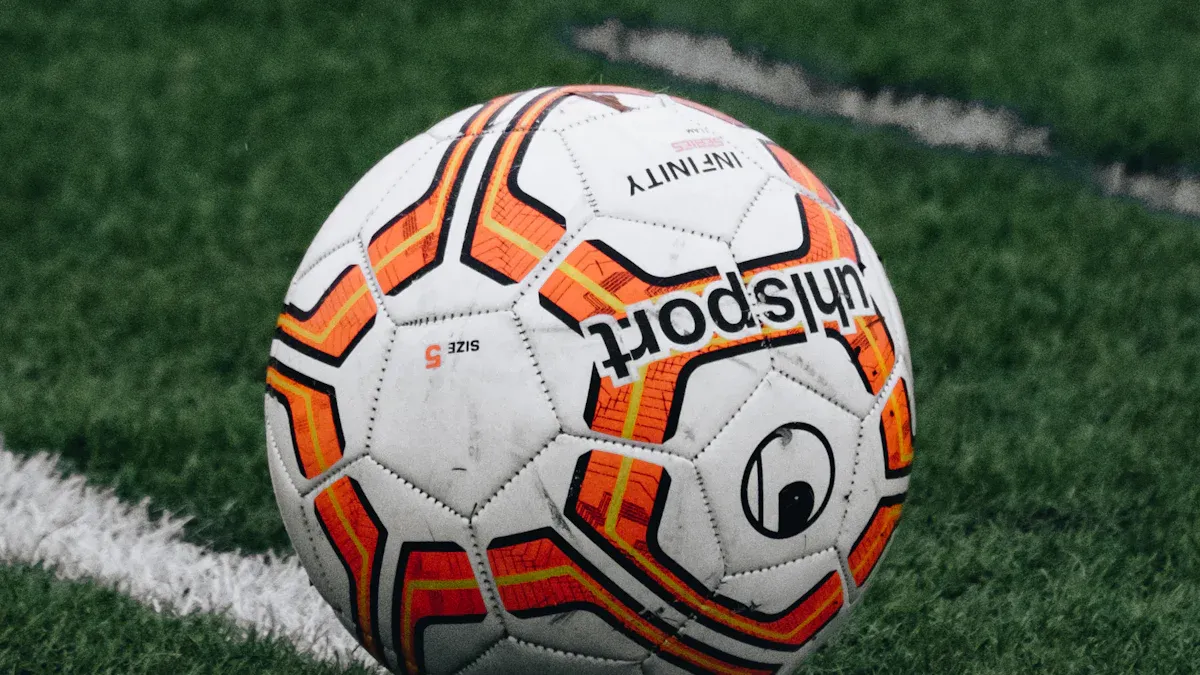
العناية المنتظمة تحافظ على جلد صناعي كرة قدم بحالة ممتازة. ينبغي على اللاعبين فحص كرة القدم الجلدية بحثًا عن أي تلف قبل كل استخدام. التنظيف بالماء والصابون المعتدل يزيل الأوساخ دون إتلاف سطحها. يساعد النفخ الصحيح للكرة على الحفاظ على شكلها وارتدادها. تخزين الكرة في مكان بارد وجاف يمنع تشققها أو بهتان لونها. عادات بسيطة تحمي الكرة وتطيل عمرها.
افحص كرة قدم من الجلد الصناعي للتأكد من عدم وجود أي تلف قبل كل استخدام لاكتشاف المشاكل مبكراً.
نظف كرة القدم بالماء والصابون الخفيف بعد كل مباراة للحفاظ على قبضتها ومظهرها.
قم بنفخ كرة القدم إلى الضغط الموصى به (من 8.5 إلى 15.6 رطل لكل بوصة مربعة) لضمان الأداء الأمثل والشكل الأمثل.
قم بتخزين كرة القدم في مكان جاف وجيد التهوية لمنع تراكم الرطوبة وتلفها.
قم بتجهيز كرة القدم قم بتنظيف السطح بانتظام للحفاظ على مرونته ومنع تشققه.
تجنب استخدام المواد الكيميائية القاسية أو نقع كرة القدم، لأن ذلك قد يتلف المادة.
تحقق من وجود أي تآكل وراقب ضغط الهواء بانتظام لإطالة عمر كرة القدم.
اتبع إجراءات التنظيف والتخزين المناسبة لضمان بقاء كرة القدم الخاصة بك في أفضل حالة لكل مباراة.
يدرك اللاعبون والمدربون أن الصيانة الدورية تحافظ على كرة قدم من الجلد الصناعي في حالة مثالية. يساعد الاهتمام المستمر الكرة على الاحتفاظ بشكلها وقبضتها ومظهرها. عندما يستخدم الرياضيون مادة البولي يوريثان يتوقع لاعبو كرة القدم أداءً موثوقًا به خلال التدريبات والمباريات. تشمل إجراءات الصيانة التنظيف والفحص والنفخ. تمنع هذه الخطوات التآكل المبكر وتضمن بقاء الكرة آمنة للعب.
توفر كرة القدم الجلدية التي تتم صيانتها جيداً العديد من المزايا:
متانةالكرة تتحمل الاستخدام المتكرر والأسطح الخشنة.
أداءيسمح النفخ المناسب والسطح النظيف بتمريرات وركلات دقيقة.
مظهرتحافظ كرة القدم على لونها وملمسها، وتبدو احترافية على أرض الملعب.
نصيحة: غالباً ما يقوم المدربون بجدولة فحوصات صيانة دورية لجميع المعدات، بما في ذلك كرات القدم المصنوعة من مادة البولي يوريثان، لتجنب المفاجآت في اللحظات الأخيرة قبل المباريات.
يؤدي إهمال العناية بكرة القدم المصنوعة من الجلد الصناعي إلى مشاكل عديدة. إذ يمكن للأوساخ والرطوبة أن تتغلغل في سطحها، مما يُفقدها تماسكها ومرونتها. ومع مرور الوقت، قد تظهر عليها تشققات أو بقع باهتة، مما يجعلها أقل جاذبية وأصعب في التحكم. ويلاحظ اللاعبون أن كرة القدم المهملة لا ترتد أو تطير كما هو متوقع.
تشمل المخاطر الشائعة المرتبطة بسوء الصيانة ما يلي:
التصدع: يتشقق سطح كرة القدم الجلدية، مما يقلل من عمرها الافتراضي.
تلاشيتتسبب أشعة الشمس والأوساخ في بهتان اللون، مما يجعل كرة القدم تبدو قديمة.
رائحةالرطوبة المحتبسة داخل الكرة تُسبب روائح كريهة.
التشوهيؤدي النفخ أو التخزين غير الصحيح إلى تشويه شكل كرة القدم المصنوعة من مادة البولي يوريثان.
انخفاض مستوى السلامة: تزيد اللحامات أو الأسطح التالفة من خطر الإصابة أثناء اللعب.
مخاطرة | تأثير كرة القدم | طريقة الوقاية |
|---|---|---|
التصدع | يقصر العمر | التنظيف والترطيب المنتظم |
تلاشي | مظهر باهت | يُحفظ بعيداً عن أشعة الشمس |
رائحة | رائحة كريهة | جفف جيداً بعد التنظيف |
التشوه | أداء ضعيف | انفخ الهواء إلى ضغط الهواء الموصى به (PSI) |
قضايا السلامة | خطر الإصابة | افحص قبل كل استخدام |
يحرص اللاعبون الذين يُقدّرون قيمة كراتهم المصنوعة من جلد البولي يوريثان على تخصيص وقتٍ كافٍ لصيانتها بشكلٍ صحيح. فهم يتجنبون الأخطاء الشائعة ويتبعون إرشادات التنظيف والتخزين. يُعلّم المدربون الرياضيين أن كرة القدم المصنوعة من جلد البولي يوريثان تُقدّم أفضل أداءٍ لها عند العناية بها بانتظام. تتمتع الفرق التي تُولي الصيانة أولويةً قصوى بمعداتٍ موثوقة ونتائج أفضل على أرض الملعب.
يُساعد تجهيز كرة القدم قبل تنظيفها على الحفاظ على جودتها وأدائها. ينبغي على اللاعبين والمدربين فحص الكرة ونفخها قبل البدء بأي عملية تنظيف. تمنع هذه الخطوة تلف الكرة وتضمن بقاءها في أفضل حالة.
يساعد الفحص الدقيق على تحديد المشاكل مبكراً. يجب على اللاعبين فحص كرة القدم بحثاً عن أي علامات تآكل أو تلف.
ينبغي فحص الدرزات بدقة. فالخياطة المرتخية أو المهترئة قد تُضعف بنية كرة القدم الجلدية. يجب أن يكون السطح أملسًا وسليمًا. أي بقع خشنة أو تقشر قد يشير إلى أن كرة قدم مصنوعة من مادة البولي يوريثان يحتاج إلى اهتمام.
تظهر الشقوق غالبًا على كرات القدم القديمة أو تلك التي تعرضت لظروف قاسية. ينبغي على اللاعبين البحث عن خطوط أو شقوق على سطح الكرة، إذ قد تؤثر هذه العلامات على قوة التماسك ومتانة الكرة. إذا ظهرت على الكرة علامات تآكل مفرط، فقد لا يكون أداؤها جيدًا أثناء اللعب.
نصيحة: الكشف المبكر عن التلف يسمح بإجراء إصلاحات سريعة ويمنع المزيد من التدهور.
يُحافظ النفخ الصحيح على شكل كرة القدم ويدعم الأداء المتسق. يجب على اللاعبين اتباع إرشادات الشركة المصنعة بشأن ضغط الهواء.
يوصي معظم المصنّعين بنفخ كرة القدم المصنوعة من جلد البولي يوريثان ضمن نطاق ضغط محدد (PSI). يضمن هذا النطاق بقاء الكرة متماسكة ولكن ليست صلبة للغاية. يتراوح نطاق الضغط المقترح لكرات القدم الأصلية بين من 8.5 إلى 15.6 رطل لكل بوصة مربعةيساعد البقاء ضمن هذا النطاق في الحفاظ على ارتداد الكرة وشكلها.
يوفر الضغط من 8.5 إلى 15.6 رطل لكل بوصة مربعة الأداء الأمثل.
يمنع الضغط الصحيح التشوه ويطيل عمر كرة القدم المصنوعة من مادة البولي يوريثان.
اتباع الإرشادات يقلل من خطر تلف كرة القدم الجلدية.
قد يؤدي نفخ كرة القدم بشكل مفرط إلى تمدد أو تمزق درزاتها. وقد يصبح سطحها صلباً للغاية، مما يجعل التعامل معها غير مريح. لذا، ينبغي على اللاعبين استخدام مضخة موثوقة مزودة بمقياس لضغط الهواء، والتوقف عن النفخ بمجرد الوصول إلى الضغط الموصى به (PSI).
ملاحظة: لا يؤدي النفخ الصحيح للكرة إلى تحسين اللعب فحسب، بل يحميها أيضًا من الإجهاد غير الضروري.
يُهيئ تجهيز كرة القدم المصنوعة من جلد البولي يوريثان، من خلال فحصها بحثًا عن أي تلف ونفخها إلى ضغط الهواء المناسب، الظروف المثالية لتنظيفها بفعالية. تساعد هذه الخطوات في الحفاظ على بنية الكرة وضمان لعب آمن وممتع.
يحتاج اللاعبون إلى البدء باللوازم المناسبة للتنظيف. صابون لطيف وماء يُعد هذا المنتج مثاليًا لكرة القدم المصنوعة من جلد البولي يوريثان. تزيل هذه التركيبة الأوساخ دون إتلاف سطح الكرة. يُنصح باستخدامه بعد كل استخدام، خاصةً إذا كانت الكرة قد تعرضت للماء المالح. الشطف بالماء العذب يساعد على منع تراكم الأوساخ. كمية قليلة من منظف معتدل ممزوجة بالماء تزيل الأوساخ. يجب على اللاعبين تجنب نقع الكرة. بدلاً من ذلك، عليهم استخدام قطعة قماش مبللة لمسح سطحها.
تساعد الأقمشة الناعمة على تنظيف كرة القدم بلطف. تُعدّ أقمشة المايكروفايبر خيارًا ممتازًا لأنها لا تخدش سطح كرة القدم المصنوعة من مادة البولي يوريثان. أما بالنسبة للأوساخ المستعصية، فيمكن استخدام فرشاة ذات شعيرات ناعمة لإزالتها. يجب على اللاعبين تجنب استخدام الإسفنج الخشن أو الوسادات الكاشطة، لأن هذه الأدوات قد تُتلف سطح كرة القدم وتُقلل من عمرها الافتراضي.
بعض المنتجات تُلحق الضرر بكرة القدم. فالمبيضات والأمونيا والمواد الكيميائية القاسية تُزيل الطبقة الواقية. كما أن المنظفات الكحولية تُجفف كرة القدم المصنوعة من مادة البولي يوريثان وتُسبب تشققات. وينبغي على اللاعبين تجنب استخدام مُرطبات الزيت غير المُخصصة للجلد الصناعي، لأنها تُخلف رواسب وتجذب المزيد من الأوساخ. إن اختيار المُستلزمات المُناسبة يُحافظ على كرة القدم ويُساعد على تنظيفها بانتظام.
ينبغي على اللاعبين البدء بإزالة الأوساخ والغبار السطحي. قطعة قماش جافة وناعمة مناسبة لهذه الخطوة. مسح الكرة قبل غسلها يمنع خدش سطحها بالحصى. هذه الخطوة تُهيئ الكرة للتنظيف العميق.
يمكن تنظيف كرة القدم بقطعة قماش مبللة بالماء والصابون الخفيف دون إتلافها. ينبغي على اللاعبين فرك سطح الكرة برفق بحركات دائرية صغيرة، مع التركيز على الدرزات والمناطق الخشنة. إذا بدت الكرة متسخة، يمكن مسحها بقطعة القماش مرة أخرى. أما بالنسبة لمن يرغب في معرفة كيفية تنظيف كرة القدم الجلدية، فإن الغسل اللطيف هو الطريقة الأمثل والأكثر أمانًا.
نصيحة: استخدم دائمًا الماء العذب لشطف أي صابون أو منظف بعد التنظيف.
بعد غسل كرة القدم، يجب على اللاعبين شطفها بالماء النظيف لإزالة أي بقايا صابون. لا ينبغي نقع كرة القدم أو غمرها بالماء، بل يجب مسحها بقطعة قماش مبللة لإزالة أي بقايا. يساعد تجفيفها في الظل على منع بهتان لونها وتشققها. قد يؤدي وضعها تحت أشعة الشمس المباشرة إلى تلفها. التنظيف المنتظم لكرة القدم الجلدية يحافظ على مظهرها الجديد وجاهزيتها للعب.
قد تظهر بقع على كرة القدم بعد المباريات أو التدريبات. يُزيل التنظيف الموضعي هذه البقع دون التأثير على باقي الكرة. ينبغي على اللاعبين استخدام كمية قليلة من الصابون اللطيف على قطعة قماش مبللة، ثم التربيت على البقعة برفق وتجنب الفرك الشديد. هذه الطريقة تُزيل البقعة دون نشرها.
تحمي تقنيات التنظيف الآمنة سطح كرة القدم. ينبغي على اللاعبين تجربة أي منظف على منطقة صغيرة مخفية أولاً. إذا تغير اللون أو الملمس، فعليهم التوقف عن استخدام هذا المنتج. بالنسبة للبقع الصعبة، يمكن استخدام فرشاة ناعمة، ولكن بضغط خفيف فقط. الصبر والتنظيف اللطيف يمنعان تلف كرة القدم المصنوعة من مادة البولي يوريثان. تحافظ إجراءات التنظيف والتخزين المنتظمة على كرة القدم في أفضل حالة لكل مباراة.
غالباً ما يتجاهل اللاعبون أهمية تهيئة الجسم لكرة القدم. تساعد تمارين اللياقة البدنية في الحفاظ على تتميز كرة القدم المصنوعة من جلد البولي يوريثان بمرونتها ولمعانها. ينصح الخبراء بترطيبها بعد كل بضع جلسات تنظيف، خاصةً إذا كانت جافة أو تظهر عليها علامات التلف. يصبح الترطيب ضروريًا عندما تتعرض الكرة لظروف جوية قاسية أو استخدام متكرر. يجب على الفرق التي تلعب في الهواء الطلق ترطيب كراتها بشكل متكرر. يمنع الترطيب المنتظم تشقق سطح الكرة ويحافظ على مظهرها الجديد.
نصيحة: يجب على اللاعبين دائمًا مراجعة تعليمات الشركة المصنعة قبل وضع أي مُرطِّب على كرة القدم المصنوعة من مادة البولي يوريثان.
يتطلب وضع البلسم عناية فائقة. ينبغي على اللاعبين اختيار منتج مُصمم خصيصًا للجلد الصناعي. عليهم استخدام قطعة قماش نظيفة وناعمة لوضع كمية قليلة من البلسم على كرة القدم. يساعد فرك البلسم بحركات دائرية لطيفة على امتصاصه بالتساوي. يجب على اللاعبين تجنب استخدام كمية كبيرة من البلسم، لأن الإفراط فيه قد يجعل كرة القدم زلقة. بعد وضع البلسم، يجب ترك كرة القدم تجف في الهواء في مكان مظلل. تُعيد هذه العملية ملمس كرة القدم وتحمي سطحها من التلف في المستقبل.
خطوات ترطيب كرة القدم الجلدية:
نظف كرة القدم جيداً قبل استخدامها في التدريب.
اختر بلسمًا مصممًا خصيصًا لكرة القدم المصنوعة من مادة البولي يوريثان.
ضعي كمية صغيرة على قطعة قماش ناعمة.
افرك برفق على السطح بأكمله.
اترك كرة القدم تجف بشكل طبيعي.
يُساهم التدريب البدني في إطالة عمر كرة القدم وتحسين قبضتها. وتتمتع الفرق التي تتبع هذه الخطوات بأداء أفضل ومظهر احترافي على أرض الملعب.
يصبح تعقيم كرة القدم ضروريًا بعد المباريات التي تُقام في ظروف موحلة أو غير صحية. ينبغي على اللاعبين استخدام مطهرات آمنة للأسطح الصناعية. يُعد محلول الماء مع كمية قليلة من مطهر خفيف فعالًا للتنظيف. يجب عليهم تجنب المنتجات التي تحتوي على مبيضات أو مواد كيميائية قوية، لأنها قد تُتلف كرة القدم المصنوعة من جلد البولي يوريثان. باستخدام قطعة قماش ناعمة، يمكن للاعبين مسح كرة القدم برفق، مع التركيز على المناطق التي تلامس اليدين والأحذية.
ملاحظة: اشطف كرة القدم دائمًا بالماء النظيف بعد التطهير لإزالة أي بقايا.
ينبغي على الفرق تعقيم كرات القدم بانتظام خلال موسم البرد والإنفلونزا. تقلل هذه الممارسة من خطر انتشار الجراثيم وتحافظ على سلامة المعدات للجميع. تساعد إجراءات التنظيف والتعقيم السليمة في الحفاظ على جودة كرة القدم الجلدية وضمان بقائها في أفضل حالة لكل مباراة.
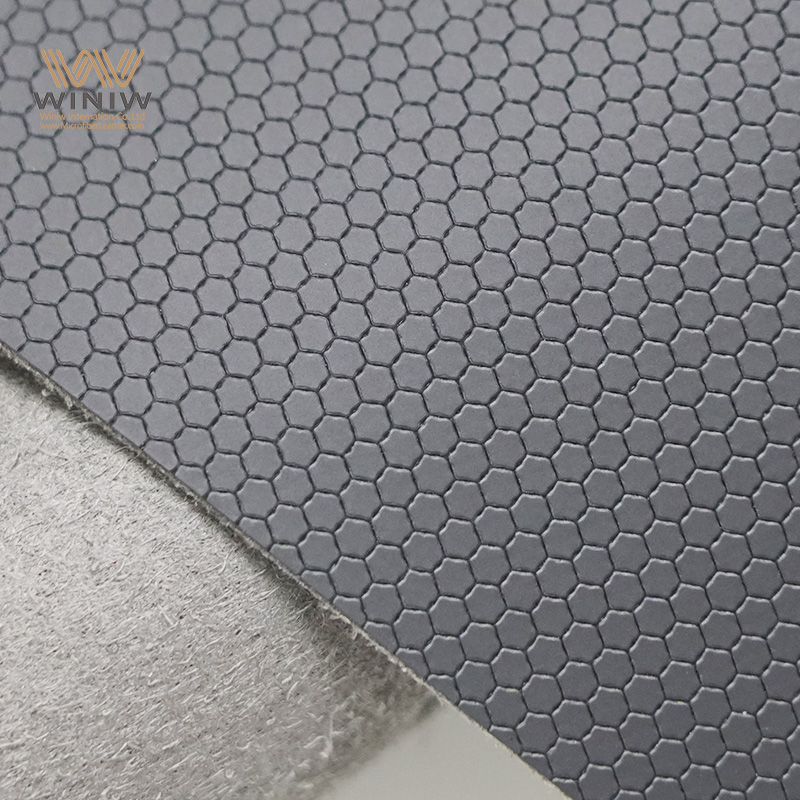
التخزين السليم يلعب التهوية دورًا أساسيًا في الحفاظ على جودة كرة القدم. يجب على اللاعبين دائمًا حفظ كرة القدم المصنوعة من مادة البولي يوريثان في مكان جاف وجيد التهوية. تساعد التهوية على منع تراكم الرطوبة، التي قد تُلحق الضرر بالسطح والبطانة الداخلية.
يمكن أن تسبب الرطوبة قد يتعرض كرة القدم المصنوعة من مادة البولي يوريثان للعفن أو الفطريات. تُضعف هذه المشاكل بنية الكرة وتُسبب روائح كريهة. يجب على اللاعبين عدم ترك كرة القدم على عشب رطب أو في حقيبة مبللة. بعد التنظيف، يجب ترك كرة القدم الجلدية تجف تمامًا قبل تخزينها.
نصيحة: ضع كرة القدم على رف أو في كيس شبكي للسماح للهواء بالتدفق حولها.
تحبس الأكياس أو الحاويات البلاستيكية الرطوبة، مما يشجع على تراكمها على سطح كرة القدم. ومع مرور الوقت، قد تؤدي الرطوبة المحتبسة إلى تشقق الكرة أو بهتان لونها. لذا، يُنصح اللاعبون باستخدام وسائل تخزين جيدة التهوية، مثل الأكياس القماشية أو الرفوف المفتوحة، لحماية كرة القدم المصنوعة من جلد البولي يوريثان.
تساعد الفحوصات الدورية اللاعبين على اكتشاف المشاكل مبكراً. ويضمن الفحص المنتظم بقاء كرة القدم في أفضل حالة وأداءً جيداً خلال المباريات.
ينبغي على اللاعبين البحث عن علامات التلف، مثل المناطق المتآكلة أو الخيوط المفكوكة. يتيح الكشف المبكر إجراء إصلاحات سريعة ويمنع المزيد من التلف. قد تحتاج كرة القدم الجلدية التي تظهر عليها تشققات أو تقشير واضح إلى ترطيب أو استبدال.
يُحافظ الحفاظ على ضغط الهواء المناسب على شكل كرة القدم. ينبغي على اللاعبين فحص الضغط قبل كل استخدام. قد لا تؤدي كرة القدم المصنوعة من مادة البولي يوريثان، إذا كانت لينة جدًا أو صلبة جدًا، الأداء المتوقع. يساعد استخدام مقياس ضغط موثوق على الحفاظ على ضغط الهواء الموصى به (PSI) ويُطيل عمر كرة القدم.
مهمة التفتيش | تكرار | فائدة |
|---|---|---|
تحقق من وجود أي تآكل | أسبوعي | يمنع حدوث أضرار جسيمة |
مراقبة ضغط الهواء | قبل المباريات | يضمن أفضل أداء |
قد يرتكب اللاعبون أحيانًا أخطاءً تُقصر من عمر كرة القدم. معرفة ما يجب تجنبه يساعد في الحفاظ على المعدات في حالة ممتازة.
تحتوي بعض منتجات التنظيف على مواد كيميائية قاسية تُلحق الضرر بسطح كرة القدم الجلدية. فالمبيضات والأمونيا والمنظفات الكحولية تُزيل الطبقات الواقية. لذا، ينبغي على اللاعبين استخدام الصابون والماء فقط للتنظيف.
قد يؤدي التجفيف غير السليم إلى تلف كرة القدم. فوضع كرة القدم المبللة تحت أشعة الشمس المباشرة أو بالقرب من المدفأة يتسبب في تشقق سطحها أو بهتان لونها. لذا، ينبغي على اللاعبين ترك كرة القدم تجف في الهواء الطلق في الظل. أما التسرع في عملية التجفيف فيؤدي غالبًا إلى تلفها على المدى الطويل.
ملاحظة: تساعد العناية المستمرة والتخزين السليم على إطالة عمر كل كرة قدم وتحسين أدائها في الملعب.
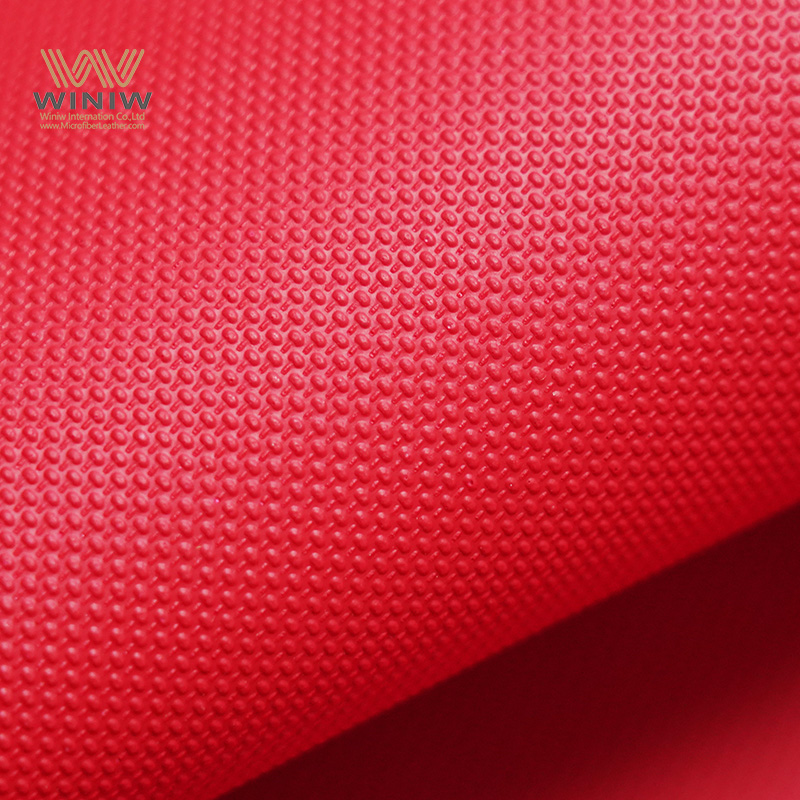
غالباً ما تظهر التشققات على كرة قدم مصنوعة من مادة البولي يوريثان بعد الاستخدام المتكرر أو التعرض لظروف جوية قاسية، يمكن للاعبين منع تشقق الكرة بتنظيفها وترطيبها بانتظام. كما أن إبعاد الكرة عن أشعة الشمس المباشرة ودرجات الحرارة القصوى يساعد في الحفاظ على مرونتها.
عند ظهور تشققات طفيفة، تتوفر عدة خيارات للإصلاح:
مواد مانعة للتسرب أساسها السيليكون تُعدّ هذه المنتجات فعّالة في إصلاح الثقوب الصغيرة أو اللحامات الضعيفة. فهي توفر حلاً سريعاً وتضيف خاصية مقاومة الماء، لكنها لا تدوم طويلاً مع الاستخدام المكثف.
مواد لاصقة مطاطية مائية توفر هذه المواد اللاصقة حلاً صديقاً للبيئة لإجراء إصلاحات بسيطة. تتميز برائحة خفيفة وهي آمنة للاستخدام، ولكنها قد لا تتحمل الضغط العالي.
أسمنت الفلكنة وهو الأفضل لعلاج التسربات داخل مثانة كرة القدم.
لاصق تلامسي من النيوبرين يُعدّ هذا الأسلوب أكثر فعالية في إعادة تثبيت الألواح الخارجية التي بدأت بالانفصال.
نصيحة: اترك كرة القدم تجف تمامًا قبل وضع أي مادة لاصقة. تضمن هذه الخطوة التصاقًا أقوى وإصلاحًا يدوم لفترة أطول.
قد يؤدي بهتان لون كرة القدم المصنوعة من مادة البولي يوريثان إلى جعلها تبدو قديمة وبالية. يُعدّ ضوء الشمس والأوساخ السببين الرئيسيين لفقدان اللون. لاستعادة مظهرها، ينبغي على اللاعبين أولاً تنظيف الكرة بالماء والصابون الخفيف. بعد التجفيف، يمكنهم استخدام مُرطّب مُخصّص للجلد الصناعي لإعادة بعض اللمعان واللون.
يلخص الجدول أدناه خطوات استعادة كرات القدم الباهتة:
خطوة | فعل |
|---|---|
ينظف | استخدم صابونًا لطيفًا وماءً |
جاف | يجف في الظل |
حالة | يتقدم جلد صناعي بلسم |
محل | يُحفظ بعيداً عن أشعة الشمس المباشرة |
ينبغي على اللاعبين تجنب استخدام الطلاء أو المواد الكيميائية القاسية، لأنها قد تلحق المزيد من الضرر بالسطح.
قد تنبعث روائح كريهة من كرة القدم الجلدية إذا تم تخزينها وهي رطبة أو استخدامها في ظروف موحلة. لإزالة هذه الروائح، ينبغي على اللاعبين البدء بتنظيف الكرة جيدًا. بعد التنظيف، يمكنهم رش كمية قليلة من صودا الخبز على سطحها وتركها لبضع ساعات. تمتص صودا الخبز الروائح دون الإضرار بالكرة.
ومن النصائح الأخرى لإزالة الروائح ما يلي:
قم بتخزين كرة القدم في مكان جاف وجيد التهوية.
ضع كيسًا صغيرًا من الفحم النشط بالقرب من كرة القدم أثناء التخزين.
تجنب وضع كرة القدم في أكياس بلاستيكية محكمة الإغلاق، لأن ذلك يحبس الرطوبة ويزيد من الرائحة.
ملاحظة: التنظيف المنتظم والتخزين السليم يمنعان معظم مشاكل الروائح في كرة القدم المصنوعة من جلد البولي يوريثان.
يمكن للاعبين الذين يتبعون خطوات استكشاف الأخطاء وإصلاحها هذه إطالة عمر كرة القدم الخاصة بهم والحفاظ على مظهرها ورائحتها منعشة في كل مباراة.
تتضمن العناية بكرة القدم ثلاث خطوات رئيسية: التجهيز، والتنظيف، والترطيب، والتخزين السليم. تساعد هذه الإجراءات اللاعبين على الحفاظ على متانة الكرة وأدائها. فالعناية المنتظمة بكرة القدم الجلدية تمنع التلف وتطيل عمرها. اللاعبون الذين يتبعون هذه الخطوات يحافظون على كراتهم في أفضل حالاتها. توفر كرة القدم المصنوعة من الجلد الصناعي والمُعتنى بها جيدًا متانة تدوم طويلًا وتجربة لعب أفضل. استمتع بكل مباراة بكرة قدم جلدية نظيفة وموثوقة.
تضمن العناية المستمرة أن تبقى كل كرة قدم جاهزة للاستخدام.
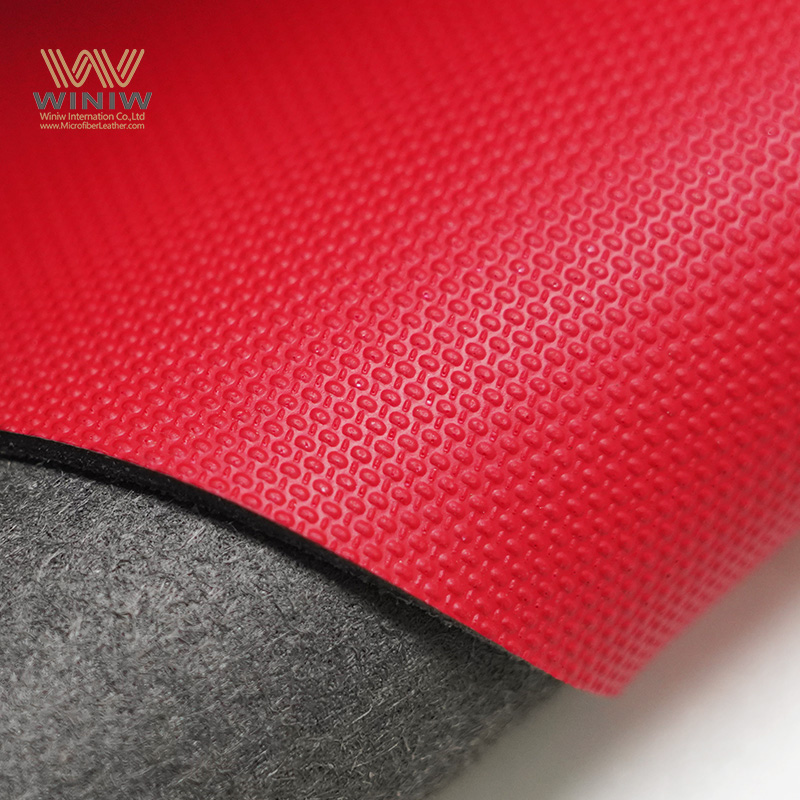
يجب على اللاعبين التنظيف كرات قدم مصنوعة من الجلد الصناعي بعد كل مباراة أو تدريب. يساعد التنظيف المنتظم على الحفاظ على قوة التماسك والتحكم بالكرة. قد يؤثر الغبار والعرق على نعومة الكرة وأدائها. نظّف كرات القدم بشكل متكرر إذا تم استخدامها على ملاعب موحلة أو رطبة.
ينبغي على اللاعبين تجنب المنظفات القوية. يُنصح باستخدام الصابون الخفيف والماء. تُلحق المواد الكيميائية القوية الضرر بسطح الكرة وتُقلل من نعومتها. يُحافظ أفضل مُرطّب جلدي للكرات على مرونة الجلد ويحمي ملمسه أثناء اللعب.
خزّن كرات القدم المصنوعة من جلد البولي يوريثان في مكان جاف وجيد التهوية. تجنّب الأكياس البلاستيكية، فالرطوبة قد تُتلف ملمسها وتُسبب روائح كريهة. تدوم كرات القدم لفترة أطول عند تخزينها على الرفوف أو في أكياس شبكية. التخزين السليم يحافظ على ملمسها الناعم وشكلها.
يضمن النفخ الصحيح للكرة تحكمًا دقيقًا وثابتًا. فالكرات المنفوخة أكثر من اللازم تصبح صلبة وتفقد نعومتها. أما الكرات المنفوخة أقل من اللازم فتفتقر إلى الارتداد والتحكم. لذا، ينبغي على اللاعبين فحص ضغط الهواء قبل كل استخدام. ويحافظ النفخ المناسب على دقة التحكم أثناء المباريات.
تُستخدم العديد من كرات القدم المصنوعة من جلد البولي يوريثان ككرات قدم عادية. فهي توفر لمسة ناعمة تتميز بمتانة عالية، مما يمنح اللاعبين تحكمًا أفضل ولمسة أدق على أرض الملعب. كرات القدم المصنوعة من مادة البولي يوريثان مقاومة للماء وتحافظ على شكلها حتى بعد الاستخدام المتكرر.
يستطيع اللاعبون استعادة نعومة الكرة عن طريق تنظيفها وترطيبها. استخدم أفضل مرطب جلدي مخصص لكرة القدم، مصمم خصيصًا للمواد الصناعية. يساعد الترطيب على استعادة نعومة الكرة ومرونتها. العناية المنتظمة تحافظ على مظهر الكرة وكأنها جديدة.
تفقد كرات القدم ملمسها بسبب الأوساخ والرطوبة وسوء التخزين. كما أن الاستخدام المتكرر يؤدي إلى تآكل سطحها. يساعد التنظيف والصيانة على الحفاظ على ملمسها الناعم. ينبغي على اللاعبين فحص كرات القدم بانتظام للحفاظ على ثبات ملمسها.
تتميز كرات القدم المصنوعة من جلد البولي يوريثان بملمس ناعم ومتانة فائقة. يفضلها اللاعبون للتدريب لأنها توفر تحكمًا دقيقًا وموثوقًا. تقاوم هذه المادة التآكل وتحافظ على ثبات الملمس حتى بعد جلسات تدريب عديدة.
Business Phone : +8618150976625
E-mail : Hello@MicrofiberLeather.com
Mobile & WhatsApp : +8618150976625
عنوان : W6-302 Shimao Manhadun Shuanglong Road, Jinjiang Quanzhou Fujian China



© حقوق النشر 2022 Winiw International Co.، Ltd..كل الحقوق محفوظة.
XML | سياسة الخصوصية |